Source Gardening Recycling Container for Garden, Storage, and Workshop
Find 30 verified gardening recycling container options from China. Compare metal, plastic, and wood materials with customizable sizes and standard packaging. Source versatile storage solutions for garden, workshop, and industrial applications; compare the available evidence and request quotations based on your requirements.
Key considerations
Products List






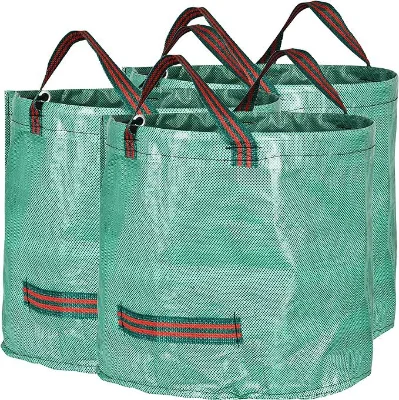


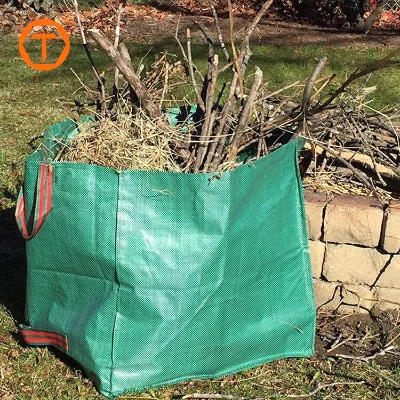
Comprehensive Sourcing Guide
Gardening Recycling Container Sourcing Guide
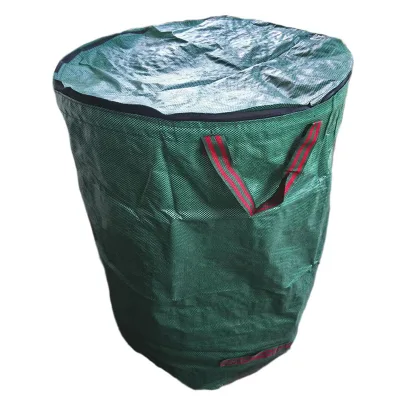
Sourcing gardening recycling containers requires distinguishing between rigid storage solutions and collapsible units designed for seasonal flexibility. The market offers diverse options ranging from metal and wood structures to high-density polyethylene (HDPE) and polypropylene (PP) variants. Buyers must verify that the selected material aligns with specific garden conditions, as some products are explicitly designed for general garden use while others serve broader industrial or workshop functions.
Procurement decisions should also account for the intended volume and portability needs of the operation. Available listings indicate a wide range of capacities, from compact units suitable for small workshops to large containers capable of holding 200 to 500 liters. Understanding whether the primary requirement is for permanent storage, temporary waste collection, or transport is essential before evaluating specific product models or customization options.
Product Scope and Observed Listing Signals
The observed product landscape includes specialized items like rectangle containers and plastic folding crates, often featuring mesh styles or solid walls. These units are frequently marketed with versatile attributes, supporting applications such as packaging, storage, and gift wrapping alongside their primary function in gardening and waste management. Buyers should note that some listings specify materials like PS or 100% PP, which dictate the chemical resistance and durability required for handling various garden waste types.
Listing signals also reveal significant variation in physical dimensions and packaging configurations. Sizes range from compact 33 x 18 x 13 cm units to large industrial containers measuring over 116 cm in length. Packaging details vary from standard boxes to custom requests, with some products shipped on pallets or in turtle carts. This diversity necessitates a careful review of the specific product model and size specifications to ensure the container fits the intended physical space and logistical constraints.
Technical Specifications to Verify
Buyers must rigorously verify dimensional accuracy and load-bearing capacity to ensure the container meets operational demands. Specific models list precise dimensions such as 600 x 400 x 220 mm or customizable options, with load ratings potentially reaching 25 kg or higher. It is critical to confirm whether the listed weight and volume figures apply to the empty container or the total system, as this impacts shipping costs and handling requirements within the garden or warehouse environment.
Material composition and chemical resistance are equally vital technical parameters to validate before finalizing a purchase. While some containers are constructed from metal or wood, others utilize HDPE or PP, offering distinct advantages in terms of weight and resistance to acids, alkalis, and oils. Verification should include checking if the product is suitable for boiling water or specific industrial applications, ensuring the material will not degrade when exposed to garden chemicals or harsh weather conditions.
Compliance and Safety Documentation
Documentation requirements often hinge on the specific application and the materials used in construction. For containers intended for food serving or general storage, verifying that the material is non-disposable and hard is a baseline safety check. Buyers should request evidence that the product meets standard or custom specifications, particularly if the container will be used for storing hazardous garden waste or industrial wastewater, where chemical compatibility is paramount.
Safety compliance also extends to the structural integrity and assembly instructions provided with the product. Many listings highlight advantages such as light weight and easy assembly, which reduce the risk of injury during setup. However, buyers must ensure that the supplier provides clear guidelines on maximum load limits and proper usage to prevent structural failure. Confirming that the product origin and manufacturing standards are transparent helps mitigate liability risks associated with equipment failure in a professional setting.
Cost Drivers and Commercial Terms
Pricing in this sector is heavily influenced by material costs, customization levels, and order volume. The observed price range spans from 0.1 to 199 USD, reflecting the difference between basic plastic units and specialized metal or wood structures. Buyers should anticipate that custom sizes, specific colors, or unique features like retractable folding mechanisms will increase the unit cost significantly compared to standard off-the-shelf items.
Commercial terms regarding minimum order quantities (MOQ) and supply availability also play a crucial role in total cost of ownership. Listings indicate MOQs ranging from a single piece to 5000 units, with some suppliers offering in-stock items for immediate delivery while others require custom production runs. Understanding the supply type and lead times is essential for budgeting, as rush orders or small batch customizations may incur premium charges or extended delivery windows.
Supplier Qualification and Quality Control
Supplier qualification should focus on their ability to deliver consistent quality across varying material types and customization requests. Many suppliers in the region offer OEM or ODM services, allowing for tailored solutions that meet specific garden or industrial needs. Buyers should verify the supplier's track record in producing items with consistent dimensions and material properties, as inconsistencies can lead to operational inefficiencies in storage and transport workflows.
Quality control processes must be clearly defined to ensure the final product matches the agreed specifications. Suppliers should demonstrate a robust system for checking load-bearing capacity, material hardness, and overall structural integrity before shipment. It is advisable to request sample units, such as square prototypes, to validate the product's performance against the claimed advantages like small footprint and easy assembly before committing to a larger order.
Long-Term Procurement Checks
Establishing a long-term procurement strategy requires regular audits of product performance and supplier reliability. Buyers should monitor how the containers hold up over time under actual garden conditions, paying close attention to signs of wear, chemical degradation, or structural fatigue. Regular feedback loops with the supplier can help identify recurring issues and drive continuous improvement in product design and manufacturing processes.
Strategic planning also involves maintaining a flexible relationship with suppliers to adapt to changing volume needs and product requirements. As the business grows or seasonal demands shift, the ability to scale orders up or down without compromising quality is essential. Buyers should maintain open communication regarding standard versus custom specifications to ensure that future orders align with evolving operational standards and safety requirements.
FAQs
What materials are used for gardening recycling containers?
These containers are manufactured from metal, plastic, wood, HDPE, and PS. The specific material choice depends on the intended application, such as general garden use or industrial storage. HDPE and PP options offer durability and chemical resistance, while wooden variants provide a natural aesthetic for outdoor settings.
Can I customize the size of the gardening recycling container?
Yes, customization is available for most models. Standard dimensions include 33x18x13 cm and 600x400x220 mm, but you can request specific sizes. The product standard supports both standard and custom specifications to meet unique storage or recycling volume requirements for your specific project needs.
What is the minimum order quantity for these containers?
The minimum order quantity ranges from 1 piece to 5000 pieces depending on the specific model. Some items like the plastic square container accept an MOQ of just 1 PC, while bulk orders for folding crates may require higher volumes. This flexibility supports both sample testing and large-scale procurement.
Are these containers suitable for boiling water applications?
Certain plastic models, specifically the rectangle container made of HDPE, are applicable for boiling water. These items are non-disposable and hard, designed for serving food or processing. However, not all materials like wood or metal are rated for this specific high-temperature use, so verify the material type.
Where are these gardening recycling containers manufactured?
The products originate from Zhejiang, China, and other regions within China. Manufacturers offer standard or custom production based on buyer requirements. Sourcing from this location provides access to a wide variety of materials including metal, plastic, and wood, ensuring diverse options for different gardening and storage needs.
What is the load bearing capacity of the folding containers?
The plastic folding containers have a load bearing capacity of 25 kg or customizable options. These units are designed for storage and moving, featuring a light weight and small footprint. The volume is typically 40 liters, making them suitable for transporting moderate weights in garden or workshop environments.